Scale
More assets, same teams
Storage and growing demand add hourly decisions without adding hours to reconcile disconnected systems.
 Flux Energy
Platform overview
Most portfolios run development, operations, trading, finance, and compliance in separate tools. Flux Energy keeps the work connected, so a number does not lose its history as it moves from the field to the ledger.
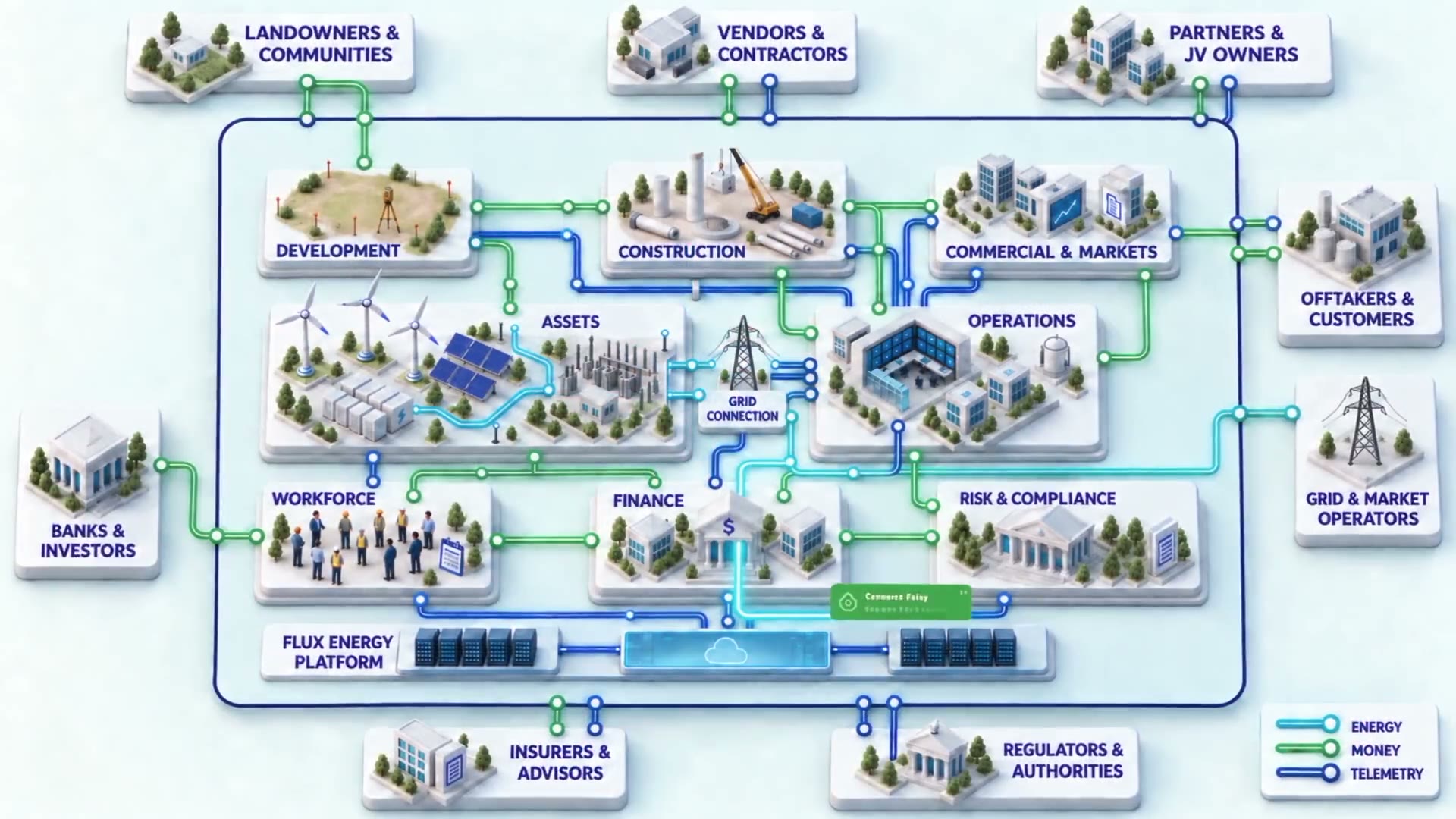 Watch: one connected architecture 1:01
Development, Construction, Operations, Commercial & Markets, Finance, Risk & Compliance, People, and Platform each have their own workspace without creating another copy of the data.
Give operations, finance, treasury, land, markets, compliance, and HR access that matches their responsibilities, with separate portals for landowners and investors.
Open a step-by-step guide from any main sidebar view, or search the built-in help desk in the words your team already uses.
Flux Energy is asset agnostic. A mixed fleet runs as one portfolio, with the same ledger, roles, and audit trail behind every megawatt.
 Onshore wind
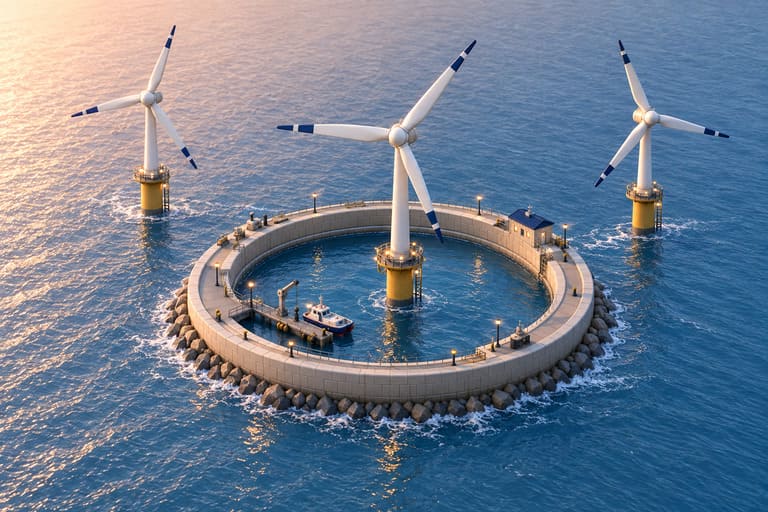 Offshore wind
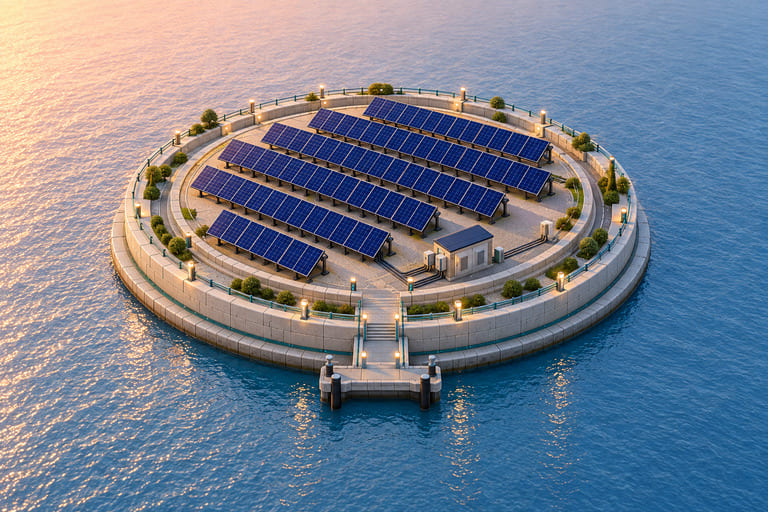 Solar
 Storage
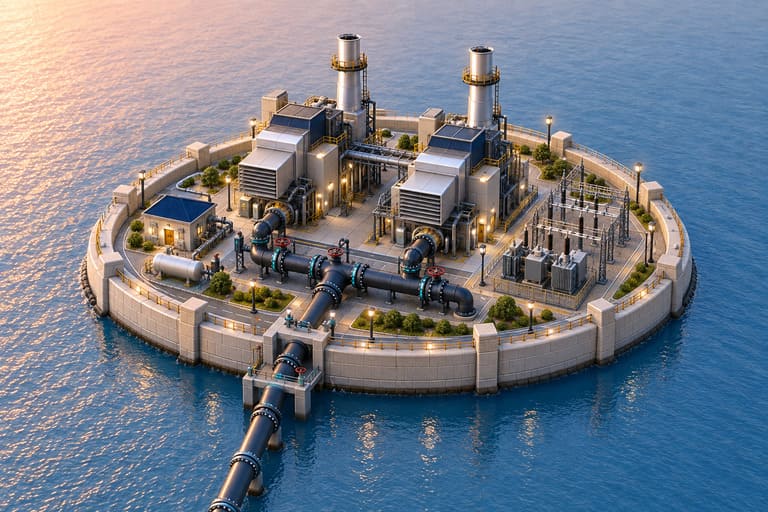 Gas
Why now
Operators are managing more solar and storage, growing load, slower interconnection, and lower prices when the wind is strongest. The same operating and finance teams have to make sense of all four.
Storage and growing demand add hourly decisions without adding hours to reconcile disconnected systems.
Five-plus-year queues mean development assumptions must stay connected through construction and operation.
When and where power can flow now matters as much as how much an asset produces.
Aging fleets force life-extension and repowering decisions while new projects are still being built.
Data current as of September 2026. Sources: LBNL, US Data Center Energy Usage Report: 2025 Update; EIA, Today in Energy, Feb 20, 2026, Today in Energy, Aug 7, 2026, and Electric Power Monthly, June 2026; LBNL, Queued Up: 2026 Edition and Land-Based Wind Energy Technology Data Update: 2026 Edition and its 2024 report; Wood Mackenzie / ACP, US Wind Energy Monitor Q2 2026; LBNL / USGS, Out With the Old (Wind Energy, 2026).
Where teams lose time
These are the points where data is commonly retyped, exported, or explained from memory. See how Flux Energy handles each one.
Today: your team spends years collecting site data. The final analysis often ends up in a consultant’s PDF that nobody can rerun.
On Flux Energy: keep mast and LiDAR readings with the study. Compare layouts against measured wind, wake loss, noise limits, setbacks, and net P50 / P90.
Read moreToday: the battery, wind farm, and market desk each have their own plan. By the time those plans are reconciled, the hour has passed.
On Flux Energy: plan wind and storage together by the hour, include cell wear in the decision, and carry the dispatch into settlement.
Read moreToday: everyone remembers the Tuesday-afternoon constraint, but it is not on the desk until it starts. Bids, trades, ISO settlements, and the ledger live elsewhere.
On Flux Energy: use hourly prices and recurring windows from your own history to plan positions, then keep bids, bilateral trades, and settlement connected.
Read moreToday: the bank case is frozen when the spreadsheet is sent. Each gap between the P50 and actual production creates another diligence question.
On Flux Energy: run SAM-aligned project finance from the operating record and trace a figure back through the records behind it.
Read moreToday: an analyst rebuilds production, contract rates, CPI, and curtailment each month. An error in the settlement can follow the payment into the 1099.
On Flux Energy: apply the contract terms to production, review the result, and carry the approved figure into the ledger, payment, and 1099.
Read moreToday: operations, trading, settlement, and compliance each rebuild the same wildlife curtailment from their own notes.
On Flux Energy: schedule the window, capture what happened, price the lost hours, and use the event in settlement and regulatory reporting.
Read moreOperational intelligence
Flux Energy operational intelligence, powered by TurbineIQ™, compares expected and actual generation each day, then breaks the difference down by turbine and cause. Your team can see which losses are actionable and which came from the grid or weather.
Losses your team can act on
Losses the grid and the weather decided
What that is worth depends on the fleet. The ROI calculator sizes it from your megawatts. The estimate gets settled against closed records at month 12.
Capabilities
Site selection, met campaigns and siting studies, permits, and the interconnection queue, tracked from the first lease to notice to proceed.
Milestones, budget versus spend, contractor management, commissioning checklists, and delay-impact forecasts in one build record, through to commercial operation.
Real-time SCADA feeds, health scoring, predictive maintenance, work orders, and wake steering, with TurbineIQ™ loss attribution on top.
ISO price feeds, storage dispatch, bids and bilateral trades, PPA valuation, merchant price risk, REC hedges, and energy invoicing through to cash.
Royalty settlement, general ledger, treasury, batch disbursements with multi-level approval workflows, 1099 compilation, multi-currency, and SAM-aligned project finance.
Curtailment events, permits, regulatory filings with their deadlines tracked, insurance policies and claims, and an audit trail under all of it.
Employee lifecycle, org charts, GWO and safety certification tracking, field crew dispatch, and Workday sync.
Tenant-isolated workspaces, role-based access, MFA, SSO options, REST APIs and webhooks, plus a help desk that answers in steps.
Adoption
Days 1–30: SCADA integration, contract import, landowner data, roles. Days 31–60: settlement and payment configuration, user acceptance testing. Days 61–90: parallel run, training, first live settlement.
SOC 2 aligned controls, tamper-evident audit trails, and role-based access, walked through building by building on the security page, and under NDA on request.
Recovered value is attributed line by line against closed records. If it lands short of 1.5× your subscription at month 12, a credit is applied to year two.
Questions
Most start with the money path. The 90-day rollout begins with SCADA integration, contract import, and landowner data. From there, we configure settlement and payments, run the process in parallel, and prepare the first live settlement.
It reads from SCADA; it doesn't replace it. On the finance side Flux Energy carries its own general ledger, treasury, and invoicing, with export paths toward QuickBooks plus REST APIs and webhooks for the systems you keep.
Price feeds for NYISO, PJM, ERCOT, CAISO, MISO, SPP, IESO, AESO, and ENTSO-E in Europe, with settlement parsing for IESO, AESO, and 14 European markets. The Energy Markets page has the detail.
Flux Energy is built wind-first, and the six deep dives are wind and storage. Pricing and the ROI model are sized by asset class across onshore and offshore wind, solar, storage, and thermal, so a mixed fleet is quoted as one portfolio.
On capacity. One annual license is scaled to the megawatts you operate, with onboarding included. The ROI calculator shows the license and the value estimate side by side.
Calculations are deterministic and stored with their inputs, so a settlement, P50, or layout score can be rerun. Reviewers can follow the result back through its source data and calculation steps.
You’ll work directly with the people building Flux Energy. We’ll use a working session to understand your assets, your current process, and the questions your systems cannot answer today.